.png)
News, Community
The Banyan Tree (Vat Vriksha) and Its Significance in Hindu Tradition
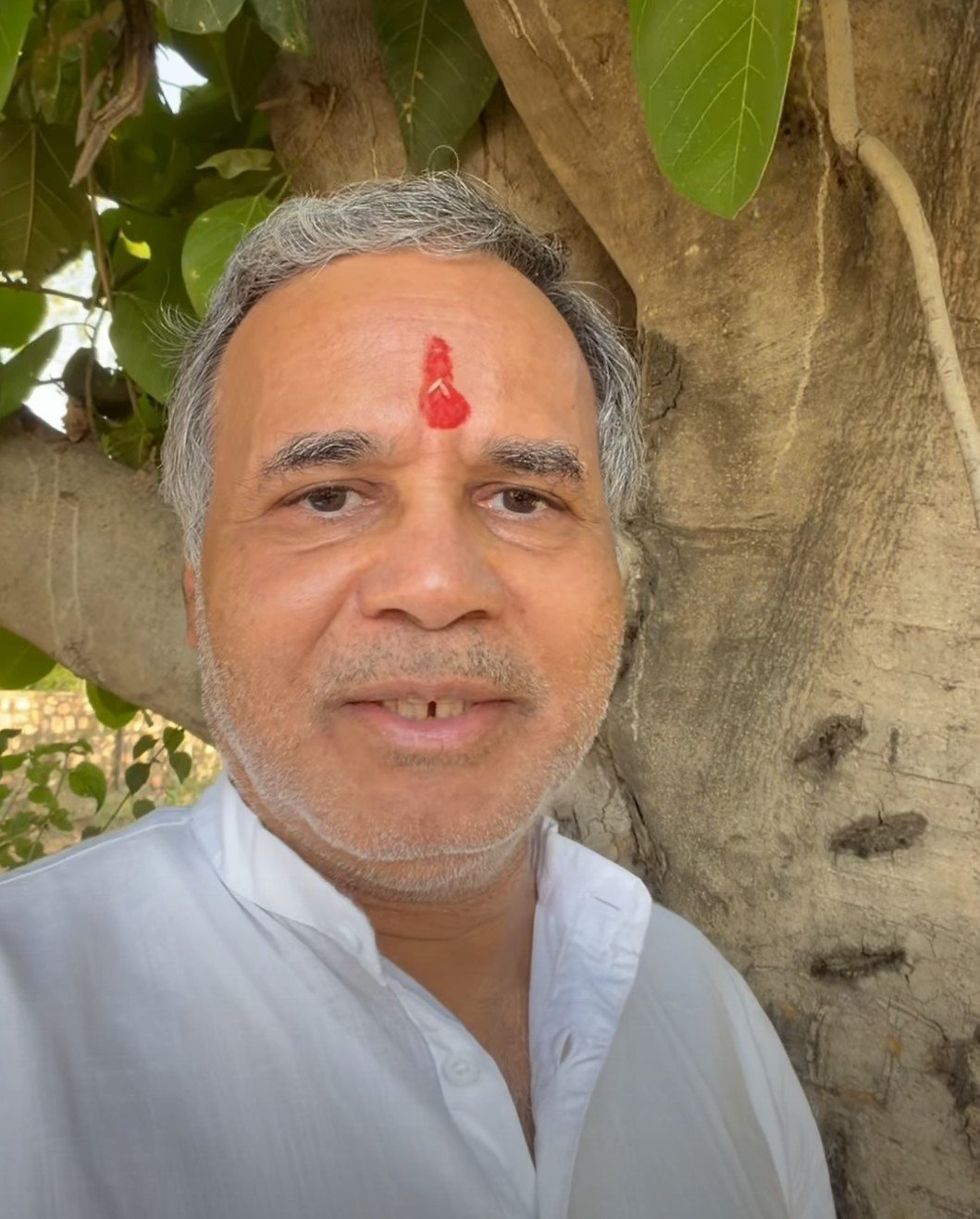
The Banyan tree is regarded as one of the most sacred and revered trees in Hinduism, symbolizing longevity, stability, and eternal life. Known in Sanskrit as the Vat Vriksha, its vast canopy, deep roots, and evergreen nature represent protection, resilience, and continuity.
In Sanatan Dharma, the Banyan tree is believed to embody the Trimurti—its roots symbolize Lord Brahma, its trunk represents Lord Vishnu, and its branches are associated with Lord Shiva. For this reason, worshipping the Vat Vriksha is considered especially auspicious and spiritually rewarding.
Indian women, particularly on the occasion of Vat Savitri Vrat, worship the Banyan tree for the well-being, long life, and prosperity of their husbands and families. This sacred observance is rooted in the story of Savitri and Satyavan, where Savitri, through her unwavering devotion, determination, and wisdom, succeeded in restoring her husband's life.
The Banyan tree also holds profound spiritual significance. Its shade is considered an ideal place for peace, meditation, and spiritual practice. Many ancient sages and seers performed penance beneath its branches. The Bhagavad Gita also recognizes the Banyan as one of the most exalted among trees.
Beyond its spiritual importance, the Banyan tree is invaluable to both the environment and society. It provides abundant oxygen, offers shelter to countless birds and animals, and, because of its remarkable lifespan, stands as a symbol of protection and continuity across generations. In traditional Indian villages, the Banyan tree often served as a social and cultural gathering place where people met for discussions, spiritual discourses, and community councils.
In Sanatan culture, the Banyan tree is not merely a tree—it is a living symbol of patience, immortality, the wisdom of the Guru, protection, and the eternal continuity of life.